Salvelinus profunus: The Deepwater Char.
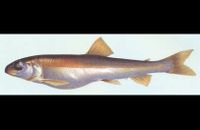
Salvelinus profundus, commonly known as the deepwater char, is a rare and highly specialized salmonid endemic to Lake Constance (Bodensee), one of Central Europe’s largest and deepest Alpine lakes. Adapted to life in the dark, cold profundal zone of the lake, this species represents one of the most extreme examples of lacustrine specialization within the genus Salvelinus. Once believed to be extinct, it was rediscovered in the 21st century, highlighting both the fragility and resilience of deep-lake ecosystems.
Taxonomy and Classification.
Salvelinus profundus belongs to the family Salmonidae and the genus Salvelinus. It was originally described as a distinct species based on morphological differences from other Alpine chars, particularly Salvelinus umbla.
For much of the 20th century, the taxonomic status of the deepwater char remained uncertain, and the species was presumed extinct following severe environmental degradation of Lake Constance. Recent rediscovery and genetic work have confirmed its validity as a distinct, narrowly endemic species adapted to the profundal zone of the lake.
Physical Characteristics.
The deepwater char shows morphological traits consistent with life in low-light, deep-water environments:
- Slender, elongated body
- Pale to silvery-grey coloration with reduced pigmentation
- Faint or absent spotting
- Relatively large eyes compared to body size
It is smaller than many other Alpine char species, typically reaching 20–30 cm in length. Overall appearance is more delicate than that of S. umbla.
Habitat and Distribution.
Salvelinus profundus is strictly endemic to Lake Constance, shared by Germany, Switzerland, and Austria.
It inhabits:
- The deep profundal zone of the lake
- Depths generally below 80–100 metres, often much deeper
- Cold, permanently dark, and well-oxygenated water layers
Unlike other Alpine char species, it does not regularly occupy pelagic or nearshore zones and appears to be confined to deep-water habitats throughout its life cycle.
Ecology and Life History.
Information on the ecology of S. profundus is limited due to the inaccessibility of its habitat. It is believed to:
- Feed primarily on deep-water invertebrates and zooplankton
- Exhibit low activity levels compared to pelagic char forms
- Remain close to the lake bottom
Spawning is assumed to occur in late autumn or winter at depth of 60 to 80m, with eggs deposited on fine gravel or soft substrates. There is no evidence of nearshore juvenile stages, suggesting a fully deepwater life cycle.
Conservation Status and Threats.
Salvelinus profundus is considered Critically Endangered due to its extremely restricted range and small population size.Major threats include:
- Eutrophication, which historically caused oxygen depletion in deep waters
- Climate change, altering thermal stratification and oxygen availability
- Habitat vulnerability, as profundal zones are highly sensitive to ecological disturbance
- Very limited distribution, making the species susceptible to stochastic events
Its rediscovery followed decades of improved water quality in Lake Constance, demonstrating the importance of long-term ecosystem restoration. Continued protection of deep-water habitats and monitoring of the population remain essential.
Cultural and Scientific Significance.
Although largely unknown outside scientific circles, Salvelinus profundus is of exceptional scientific value. It represents:
- An extreme example of postglacial lacustrine specialization
- One of the few European salmonids adapted exclusively to profundal habitats
- A powerful indicator of deep-lake ecosystem health
Its rediscovery has become an important case study in freshwater conservation, showing that highly specialized species can persist when habitats recover.