Valle di Trivero Hatchery – Protecting the Native Trout of the Sessera River

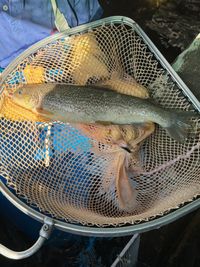
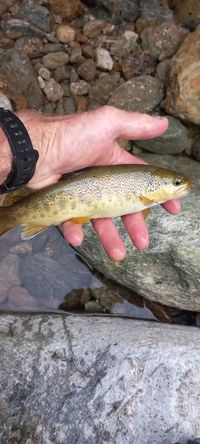
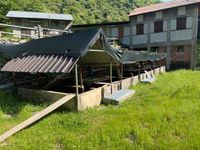
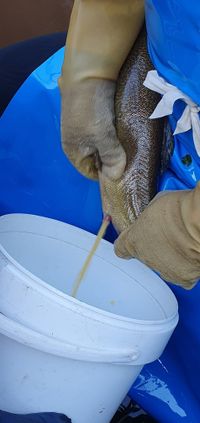
The Valle di Trivero Hatchery is a small, community-driven conservation hatchery connected to A.S.D. Pescatori Trivero, a local fishing association founded in 1946. In 1956 the hatchery Located in Località Frera, in the municipality of Valdilana was build, the hatchery programme focuses on supporting native trout populations in the Sessera River and its tributaries. The programme works with Mediterranean Brown Trout (Salmo ghigii) and Marble Trout (Salmo marmoratus), using local fish for reproduction and restocking. The conservation programme has a long history of working to maintain native trout populations in the Valsessera area. Its early development was supported by ichthyologist Pier Paolo Gibertoni, who contributed knowledge and helped establish native broodstock. Today, the hatchery continues this work through the collection of eggs, artificial fertilisation, hatching, and the release of young trout into the Sessera River system. The project is a good example of how a local fishing association and a small hatchery can contribute to long-term native trout conservation.
Preserving Native Trout in the Sessera.
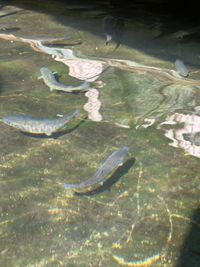
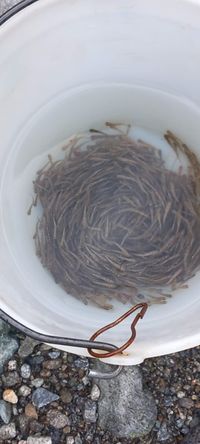
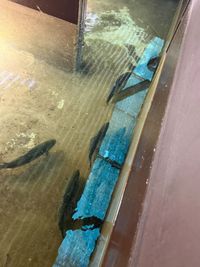
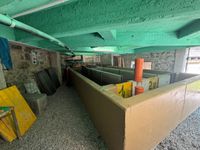
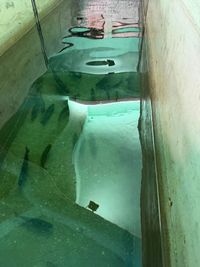
The hatchery works with two native trout species of the region:
- Mediterranean Brown Trout (Salmo ghigii)
- Marble Trout (Salmo marmoratus)
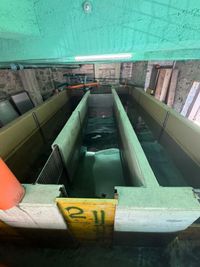
The programme is based on local reproduction. Eggs are collected from breeding fish, artificially fertilised, and incubated at the valley hatchery. The resulting young trout are then released into the Sessera River and its tributaries, including waters both upstream and downstream of the Mischie Dam. By maintaining local broodstock and returning young fish to the river system, the hatchery helps support native trout populations while preserving the genetic heritage of the Valsessera area. This work is particularly important in a river system exposed to environmental pressures, including changes in water availability and increasingly unpredictable climatic and meteorological conditions. The hatchery therefore provides a link between local broodstock conservation and the long-term recovery and maintenance of wild fish populations.
Knowledge, Volunteers & the Future.
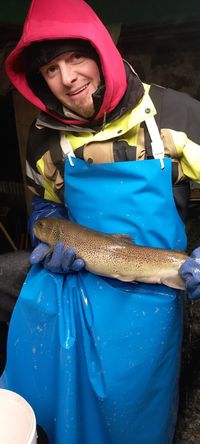
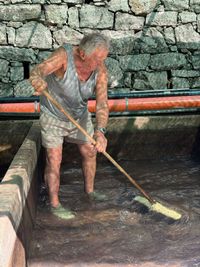
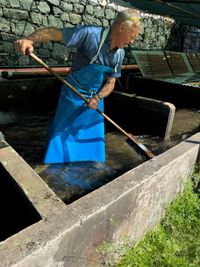
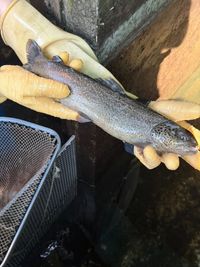
The conservation work of A.S.D. Pescatori Trivero has been built on decades of local knowledge and dedication.
The project has always relied heavily on people who understand the local rivers and fish populations. Today, the hatchery continues to be managed through the commitment of local volunteers, who are responsible for maintaining the facility and caring for the fish. Their accumulated knowledge is an important part of the conservation programme. Protecting native trout is not only about maintaining broodstock and producing young fish; it also requires knowledge of the local watershed, its fish populations, and the challenges they face.
One of the greatest challenges for the future is therefore generational renewal. With relatively few younger volunteers becoming involved, passing this knowledge and experience to the next generation has become increasingly important. The long-term future of the hatchery depends not only on maintaining the facility and its fish, but also on ensuring that there are people willing to continue the work.
Facing Natural & Human Challenges.
The hatchery and the Sessera watershed have experienced several major environmental challenges over the decades. The facility has survived severe floods in 1992, 2002, and 2020. The 2020 flood destroyed the access road to the hatchery. Despite this, volunteers continued to care for the fish, walking to the facility every day for almost a year. The watershed has also experienced significant impacts from human activities. In May 2012, the emptying of an upstream reservoir released massive quantities of sediment into the Sessera River. The sediment travelled downstream, burying the riverbed as far as Coggiola and severely damaging the ecosystem. Events such as these demonstrate the importance of maintaining secure populations of native fish outside the river itself. By preserving local broodstock, the hatchery can provide an important safeguard against the complete loss of local genetic lineages following major environmental disturbances.
Beyond Fish Farming.
The Valle di Trivero Hatchery is more than a facility for producing fish. Its broader purpose is to support the long-term conservation of the native fish populations of the Sessera watershed. Retired breeding fish are either used in small numbers for local consumption or, when larger numbers are available, transferred to the Zegna Fishing Reserve. More importantly, the hatchery helps maintain a living reserve of local trout genetics. These fish represent generations of adaptation to the conditions of the Sessera watershed and provide an important resource for future conservation efforts. The programme also demonstrates how local fishing associations can contribute to conservation beyond recreational fishing. Through the hatchery, A.S.D. Pescatori Trivero has become involved in the protection of native fish populations and the ecological health of the waters they depend on.
Our goal.
At the European Native Trout Challenge, we believe that native trout conservation takes place at many different scales. Large international programmes and EU-funded projects are important, but smaller local initiatives can be equally valuable when they maintain native genetics and work continuously to protect local fish populations. By highlighting the Valle di Trivero Hatchery and A.S.D. Pescatori Trivero, we aim to:
- Raise awareness of local conservation initiatives in Europe
- Promote the protection of native trout lineages
- Highlight the importance of local genetic heritage
- Encourage fishing associations to play an active role in conservation
- Support the transfer of knowledge between generations
- Connect local conservation efforts with the wider European native trout community
The Valle di Trivero Hatchery is an example of how decades of local commitment can make a lasting contribution to the protection of native trout and their rivers.